Discover the Artistic Soul of Paris
Where creativity flourished and legends were born in the heart of Montparnasse

Where creativity flourished and legends were born in the heart of Montparnasse
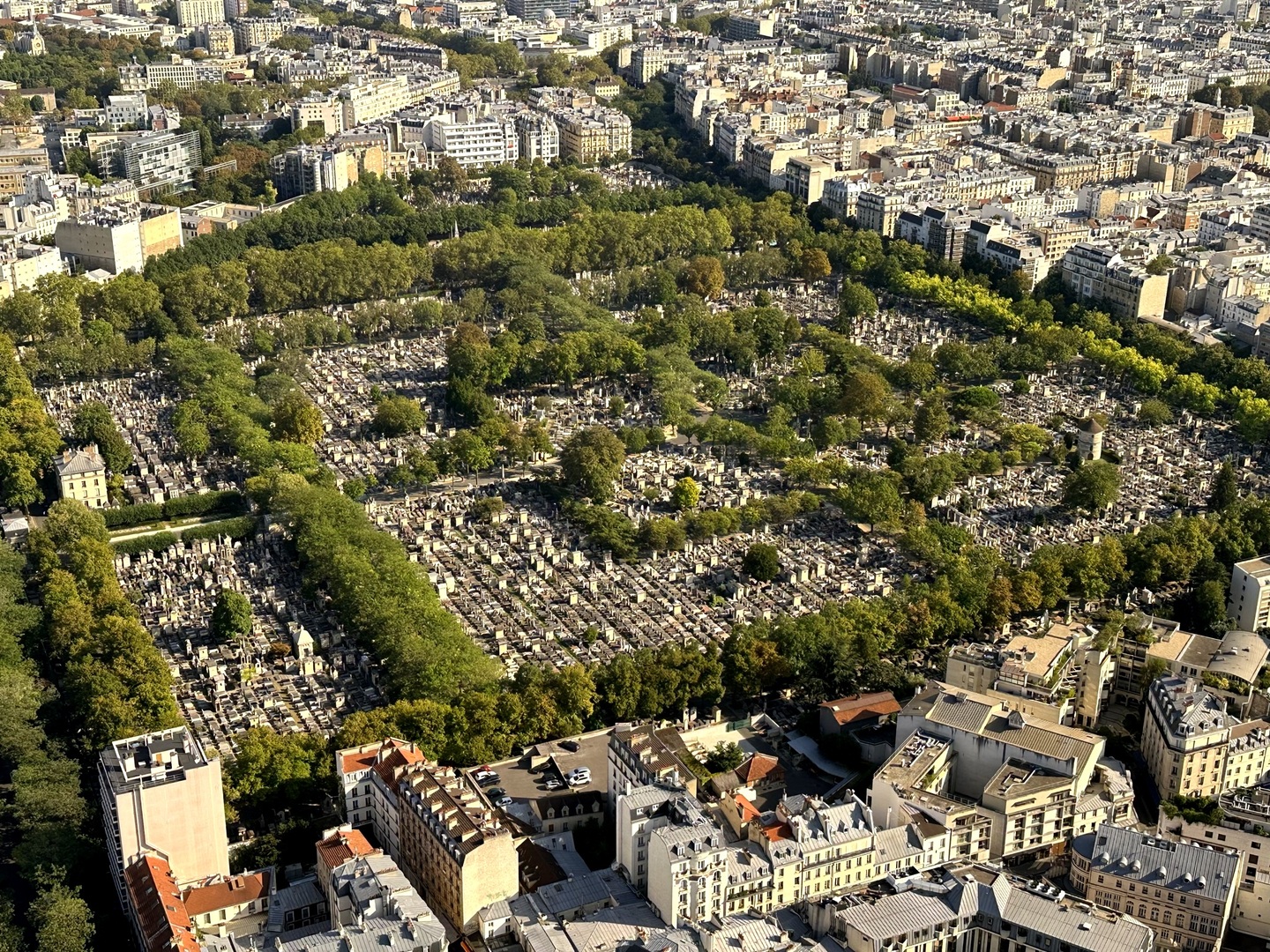
Discover the final resting places of Baudelaire, Sartre, de Beauvoir, and other literary giants in this intimate guided walk through Montparnasse Cemetery
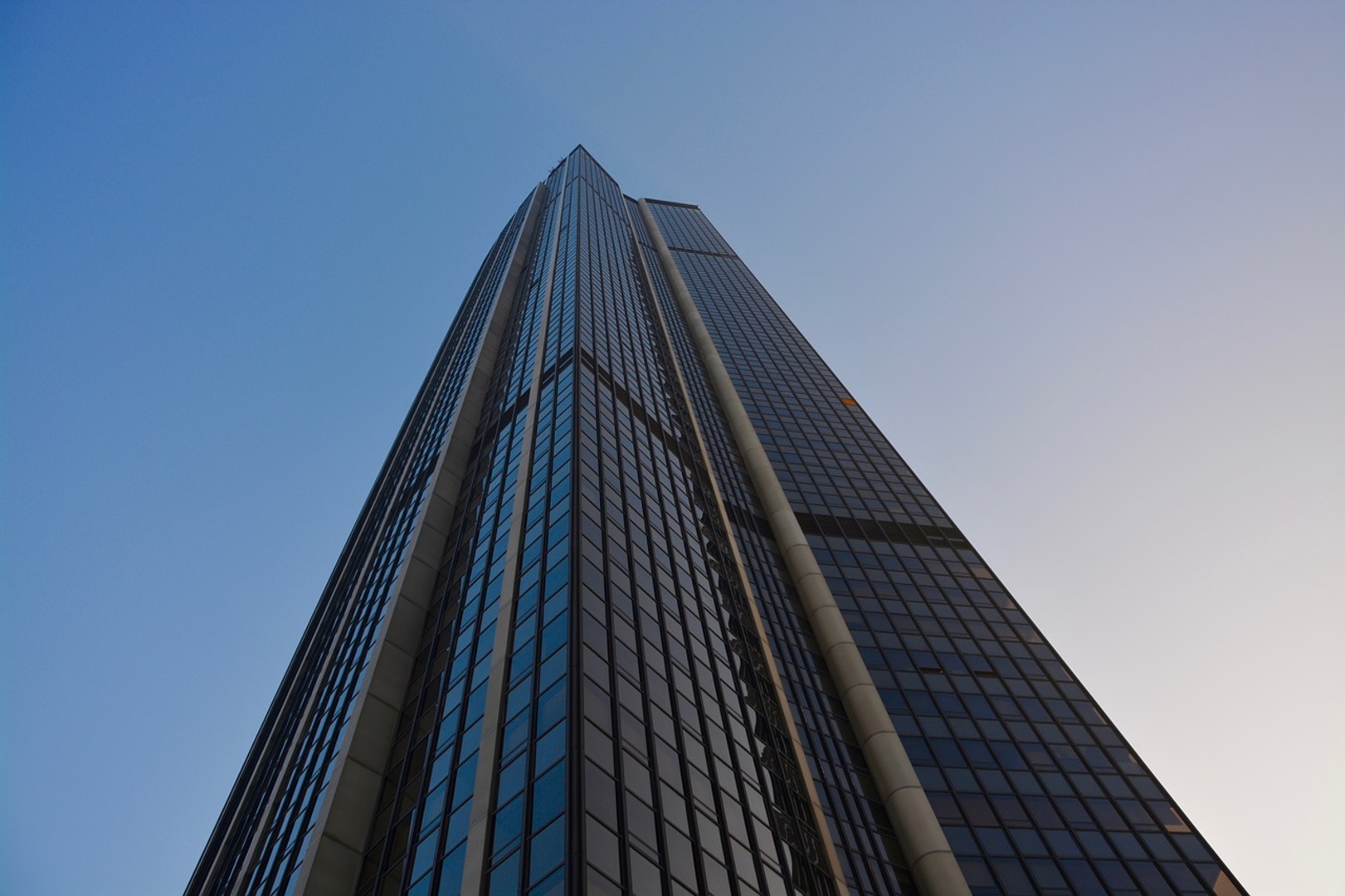
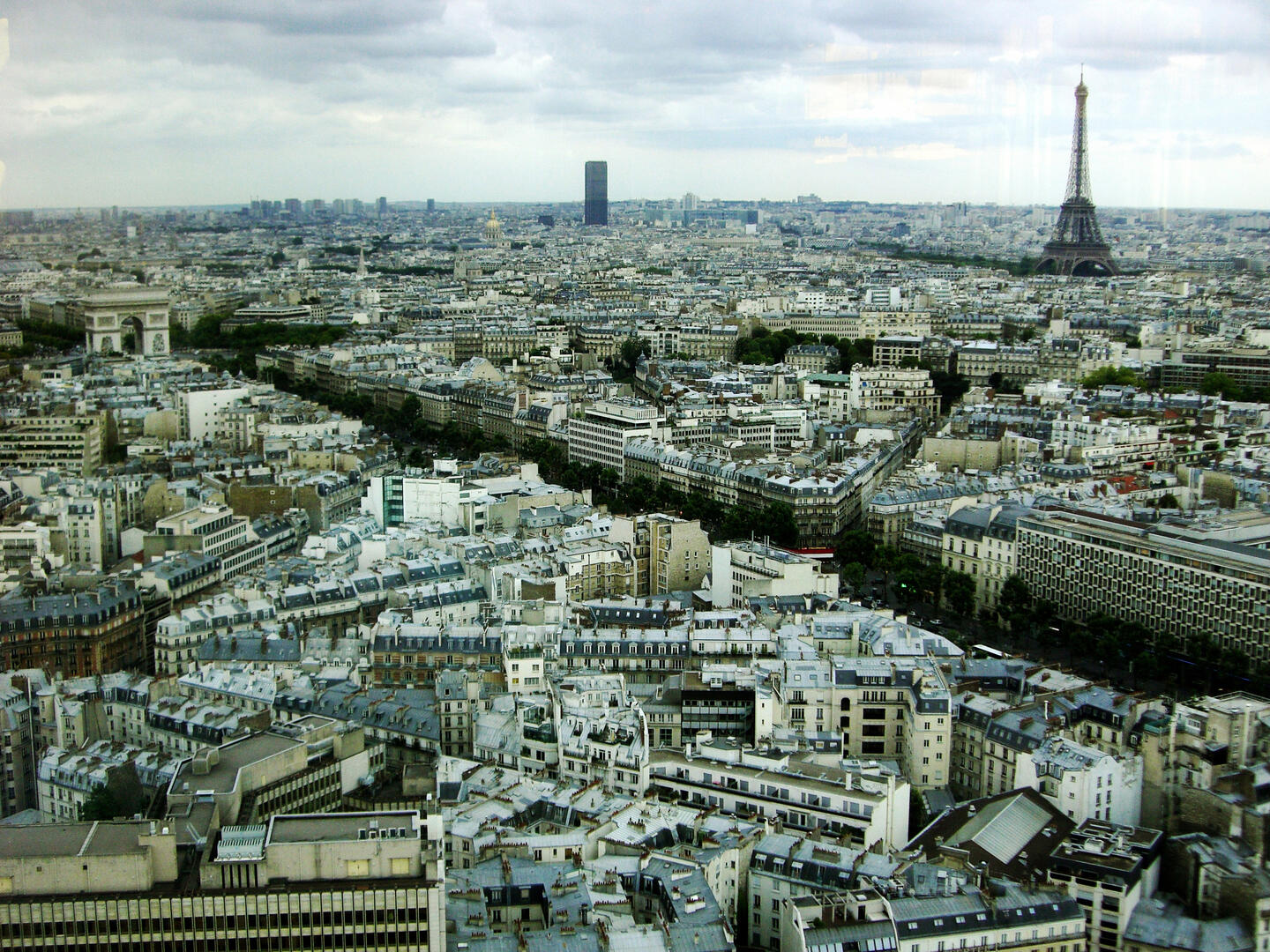
Express elevator to 56th floor in 38 seconds, 360° panoramic views, rooftop terrace access, and Paris Time Travel VR experience
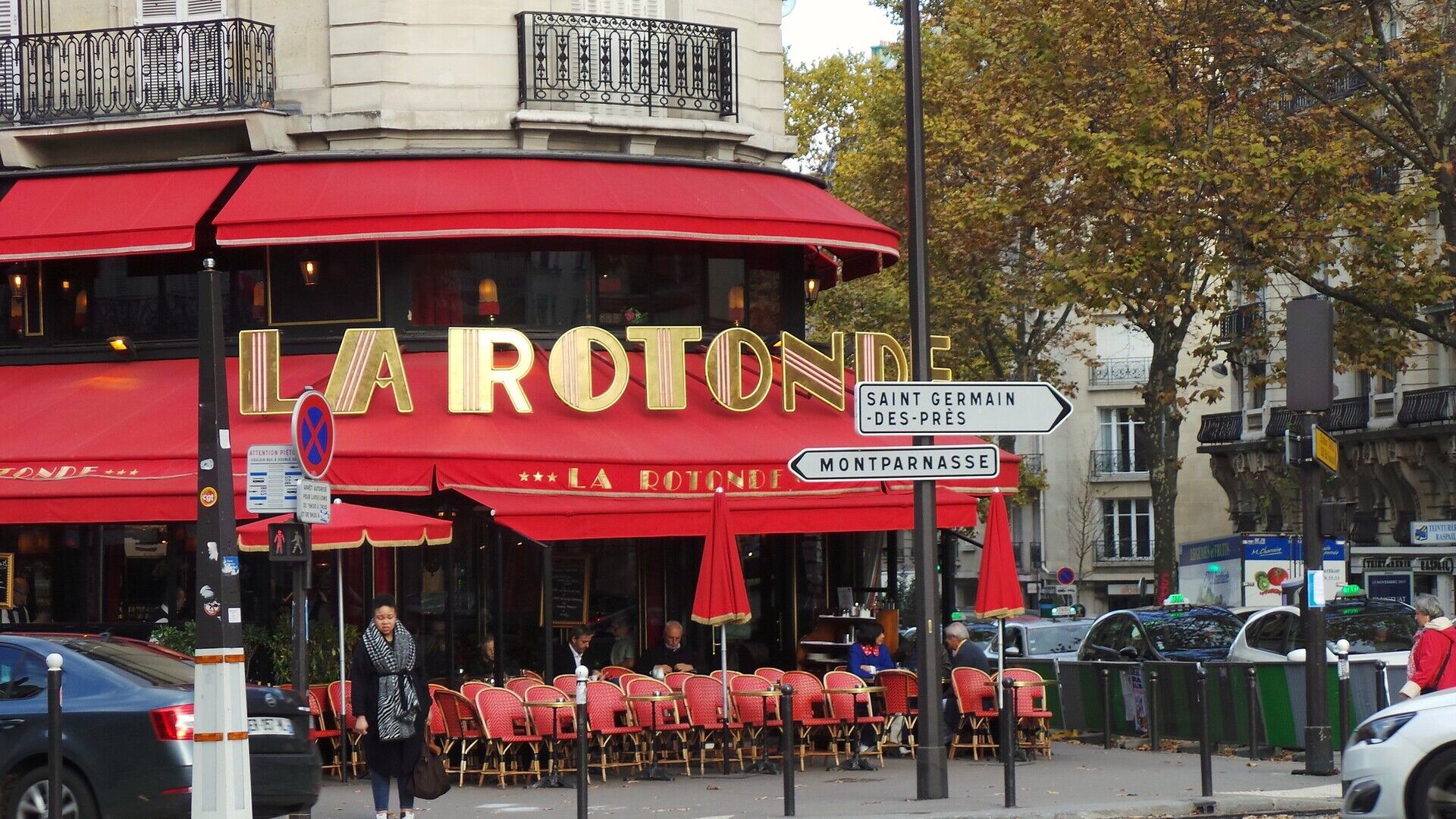
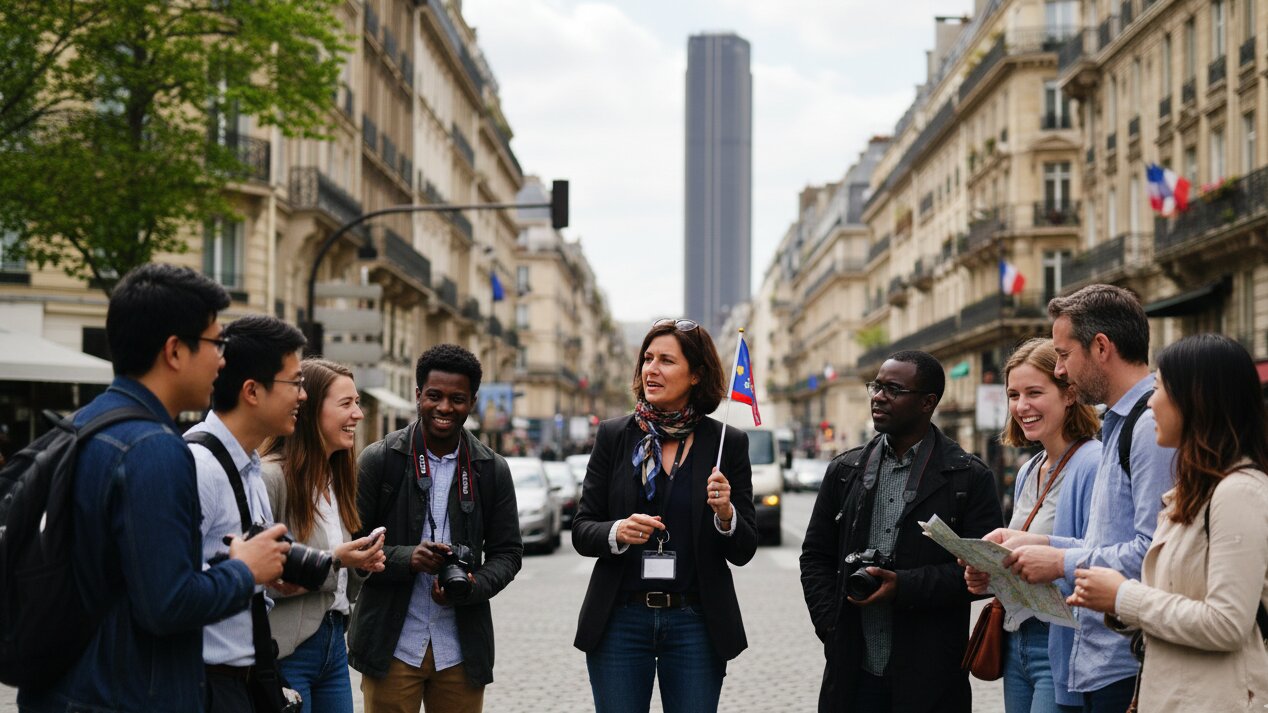
Immerse yourself in the bohemian quarter where Picasso, Hemingway, and Modigliani gathered, exploring legendary cafés and artistic landmarks

Walk in the footsteps of Picasso, Modigliani, and countless other artists who shaped modern art in these very streets.
Walk in the footsteps of Picasso, Modigliani, and countless other artists who shaped modern art in these very streets.
Discover the haunts of Hemingway, Joyce, and Sartre, where literary masterpieces were conceived and discussed.
Experience the legendary café culture where intellectual debates and artistic collaborations flourished for decades.
Enjoy spectacular panoramic views of Paris from Tour Montparnasse, offering a unique perspective of the City of Light.
Montparnasse is a historic area in the south of Paris, renowned as the artistic and intellectual heart of the city during the early 20th century. Named after Mount Parnassus, the mythical home of the nine Muses, this district became synonymous with creativity and bohemian culture.
From 1910 to the start of World War II, Montparnasse attracted artists, writers, and intellectuals from around the world. The famous cafés - Le Dôme, La Rotonde, Le Select, and La Coupole - served as meeting places where cultural ideas were born and artistic movements flourished.
Today, Montparnasse continues to honor its artistic legacy while embracing modernity. Visitors can explore the historic cemetery where literary giants rest, climb the iconic tower for breathtaking views, and experience the vibrant cultural scene that still thrives in this remarkable district.
The story of Montparnasse begins in the 17th century when students would gather on an artificial hill of rubble to recite poetry. They playfully named this mound "Mount Parnassus" after the sacred mountain of the Muses in Greek mythology. The hill was later leveled to make way for Boulevard Montparnasse in the 18th century.
During the French Revolution, the area transformed as dance halls and cabarets opened their doors, establishing Montparnasse as a center of entertainment and artistic expression. The arrival of the railway station, Gare Montparnasse, in the 19th century brought waves of Breton immigrants who settled in the neighborhood.
The golden age of Montparnasse began in 1910 when artists migrated from Montmartre, seeking cheaper rents and a more welcoming atmosphere. The district became home to La Ruche, an artist commune, and the famous cafés that would define the area's character. This period, known as "les Années Folles" (the Crazy Years), saw an unprecedented gathering of creative talent.
Today, while the bohemian atmosphere has evolved, Montparnasse remains a testament to Paris's artistic heritage, continuing to inspire new generations of creators and welcoming visitors from around the world to experience its unique cultural legacy.
What is Montparnasse most famous for?
Montparnasse is most famous for being the artistic and intellectual heart of Paris during the early 20th century, attracting renowned artists, writers, and thinkers from around the world who gathered in its legendary cafés.
Which famous artists lived or worked in Montparnasse?
Notable figures include Pablo Picasso, Amedeo Modigliani, Ernest Hemingway, James Joyce, Jean-Paul Sartre, Simone de Beauvoir, Marc Chagall, and many others who shaped modern art and literature.
Can I visit the historic cafés mentioned in the area's history?
Yes! Many of the legendary cafés including Le Dôme, La Rotonde, Le Select, and La Coupole are still operating today and welcome visitors to experience their historic atmosphere.
How much time should I spend exploring Montparnasse?
A full day allows you to properly explore the main attractions, visit the cemetery, enjoy a meal at a historic café, and climb Tour Montparnasse for the views. A half-day visit can cover the highlights.
Is Montparnasse Cemetery free to visit?
Yes, Montparnasse Cemetery is free to enter and open daily. Maps are available at the entrance to help you locate the graves of famous personalities.
What's the best way to get to Montparnasse?
Montparnasse is easily accessible by metro. The main station is Montparnasse-Bienvenüe, served by lines 4, 6, 12, and 13. Several other metro stations also serve different parts of the district.
Are there guided tours available for Montparnasse?
Yes, various walking tours focus on the artistic history of Montparnasse, including literary tours, art history walks, and cemetery tours highlighting famous graves.
What languages are spoken in the area?
French is the primary language, but due to its tourist popularity and international history, English is widely understood in restaurants, cafés, and tourist attractions.
